Did you know that a horse's coat change actually begins with the winter solstice in December?
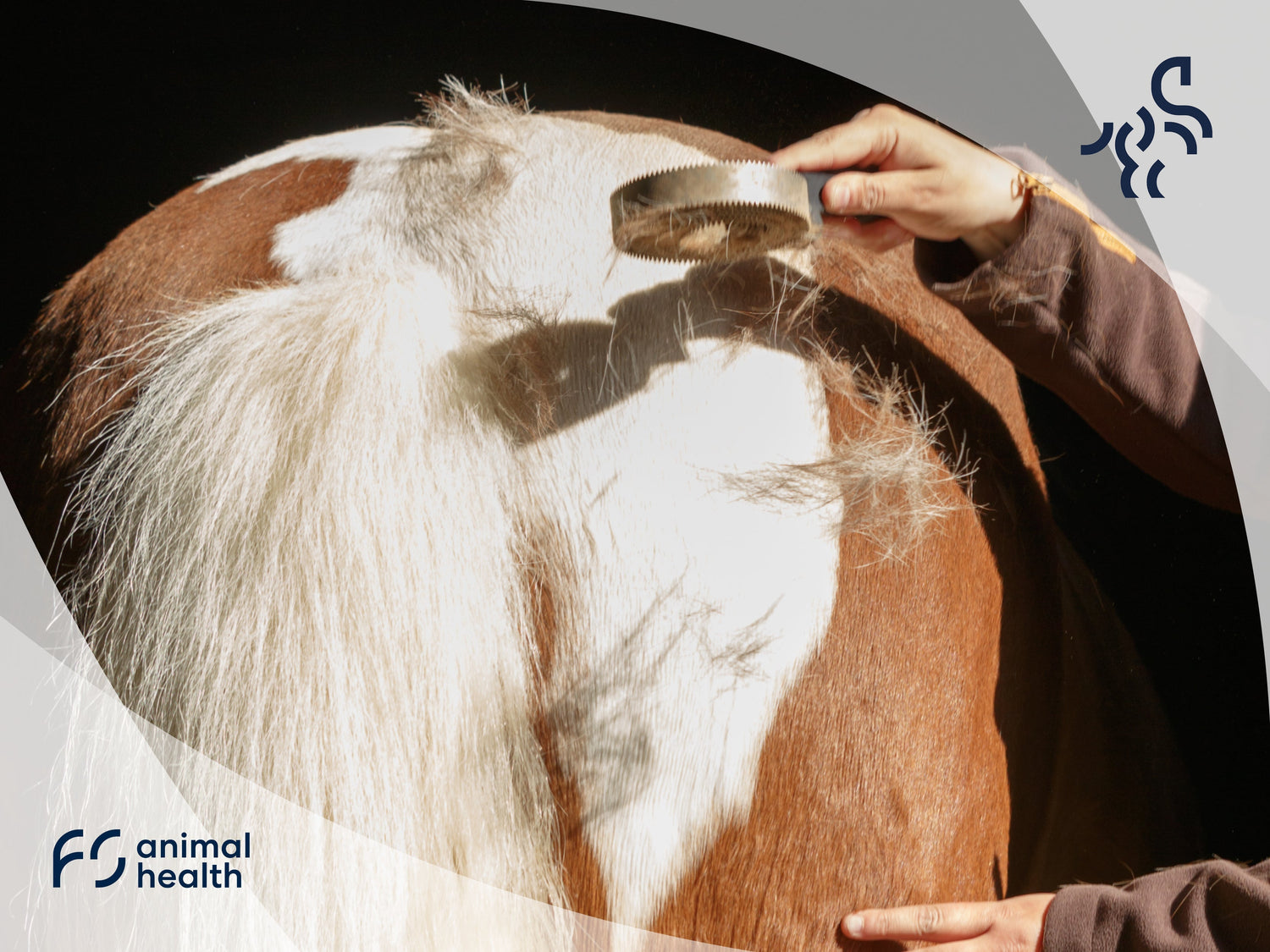
December 21st is the winter solstice. From this day on, the days get longer and the nights shorter again, even if we don't notice it immediately. With the days getting longer, the horse's metabolism also slowly but surely adjusts to summertime. During this time, the horse's immune system is put to the test. Especially in older horses, horses with illnesses or metabolic problems, the coat change can be tricky and lead to complications. Therefore, it is all the more important to provide extra support to horses during this period.
Oil Feeding for Support
Feeding linseed oil can help with coat change. Linseed oil is characterized by its high content of omega-3 fatty acids, which have anti-inflammatory effects.
But beware: oil contains a lot of energy! 1 g of fat contains twice as much energy as 1 g of starch (e.g., found in grains). So, 50 g of oil contains roughly as much energy as 250 g of oats.
Especially for horses with sensitive stomachs, this can be advantageous, as oil can be used as a concentrate feed substitute and is also particularly easy to digest. Oil is also a popular energy source for grain intolerances or metabolic disorders. However, with insufficient exercise, excessive feeding of oil can lead to obesity due to its high energy content.[1]
Ensure Nutrient Supply
It is also important to keep an eye on the nutrient supply, because especially when horses renew their entire coat, the consumed reserves must be replenished. The supply of trace elements and vitamins from hay is usually far from sufficient, so supplementation should be considered. The Hestevard VMZ-25 is suitable as a classic mineral feed to cover daily nutrient requirements. Vitamins and trace elements support a healthy metabolism. The trace element zinc has a particularly positive effect on coat and hooves. For horses with zinc deficiency, the OrZin 40 can also be used. The chelate form improves bioavailability, allowing zinc to be metabolized more effectively. For horses with selenium deficiency, the OrSel 50 can be fed. The selenium yeast makes selenium particularly bioavailable. However, caution is advised, especially with selenium. An overdose of trace elements (especially selenium) can even have adverse effects. An excess of selenium can cause symptoms of poisoning and, in the worst case, laminitis. Therefore, we always recommend discussing selenium feeding with your veterinarian to avoid over-supplementation. When choosing mineral and supplementary feeds, the concentrate feed should also always be considered, as it often already contains minerals.
To specifically boost metabolism, we recommend the Vitalprotz. In addition to important vitamins, Vitalprotz also contains trace elements such as iron, selenium, manganese, copper, and zinc. Iron, for example, ensures the supply of red blood cells, which in turn are responsible for oxygen transport in the body. Better oxygen transport can improve performance. Therefore, Vitalprotz should be used particularly after illnesses, during coat change, or with increased exertion.


Don't forget the special needs of seniors
Older horses particularly benefit from our VM-Senium. In addition to vitamins, VM-Senium contains L-carnitine, which improves energy supply in cells. Herbal extracts such as hawthorn and ginkgo ensure better blood circulation and support the circulatory system. Milk thistle and artichoke support the liver and kidneys in detoxification. Devil's claw has anti-inflammatory properties and can thus promote joy of movement.
The products VMZ-25, VM-Senium, OrZin 40 and OrSel 50 are available through your veterinarian. The product Vitalprotz is also available directly to end customers.
[1] Meyer and Coenen (2014) Pferdefütterung, 6. Auflage, Georg Thieme Verlag, Stuttgart